
Author: Cynthia Fürst
A Hands-On Lesson in Food Preservation at the La Pine Grange Hall
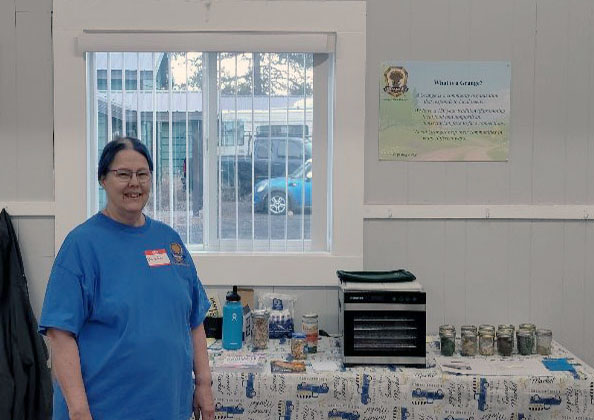
In February 2026, members and guests gathered at the La Pine Grange Hall for an informative and practical Produce Dehydrating Class led by Grange Member Pamela Perrine.
The class offered a warm, welcoming environment where participants learned to turn fresh produce into nutritious, long-lasting pantry staples—a valuable skill for anyone living in Central Oregon’s high desert climate.
Class Recap: Why Dehydrate?
Pamela began by explaining the many benefits of dehydrating food:
- Preserves nutrients while removing moisture
- Extends shelf life for months — even years when stored properly
- Saves storage space compared to freezing or canning
- Reduces food waste
- Creates lightweight, portable foods perfect for camping, hiking, and emergency preparedness
For many attendees, dehydrating offered a practical solution for managing seasonal harvests and saving on groceries.
Step-by-Step: From Fresh to Shelf-Stable
Pamela walked participants through the full dehydrating process:
1. Preparing Produce
- Wash thoroughly
- Slice evenly for consistent drying
- Remove pits, cores, or damaged portions
Uniform slices ensure even airflow and proper drying time.
2. Arranging on Trays
Produce should be placed in a single layer without overlapping. Proper spacing allows air to circulate freely and prevents uneven drying.
3. Choosing the Best Temperatures
Different foods require different temperatures:
- Fruits and vegetables: generally 125°–135°F
- Herbs: lower temperatures to preserve flavor
- Meats (for jerky): higher temperatures for food safety
Pamela emphasized that following recommended temperature guidelines is key to preventing spoilage.
4. Cooling Before Storage
After drying, foods must cool completely before being packaged. Storing warm food can cause condensation inside containers — reintroducing moisture and increasing the risk of mold.
Equipment Essentials
Participants learned that dehydrating does not require complicated tools. Basic needs include:
- A quality food dehydrator
- Sharp knives or a mandoline slicer
- Cutting boards
- Airtight storage containers
While oven-drying is possible, a dehydrator provides more consistent airflow and temperature control.
Best Foods to Dehydrate
Pamela shared some favorites that work especially well:
- Fruits: apples, bananas, berries, pears
- Vegetables: carrots, zucchini, peppers, onions
- Herbs: basil, oregano, thyme
- Meats: properly prepared lean cuts for jerky
One important safety note: Do not dehydrate dairy products. Dairy can harbor bacteria and does not safely preserve using standard home dehydration methods.
Smart Storage Tips
Proper storage makes all the difference:
- Store in airtight containers
- Keep in a cool, dark place
- Label with contents and date
- Check occasionally for signs of moisture
When stored correctly, dehydrated foods can remain safe and flavorful for extended periods.
Growing Skills, Building Community
Beyond the practical instruction, the class reflected the heart of the Grange — neighbors learning from neighbors. Pamela’s clear explanations and hands-on guidance left attendees feeling confident and inspired to try dehydrating at home.
Classes like this continue to support our mission of strengthening food security, self-reliance, and community connection in La Pine.
If you missed this workshop, watch for upcoming classes at the La Pine Grange Hall — there is always something new to learn and share. Be sure to visit the Events section of our website and email us at events@lapinegrange.org to let us know what classes you’d like us to offer or if you would like to be a presenter.
Bonus Information!
Subscribe to the Graff Family Produce Newsletter
for available produce. Get information about
How To Order & Delivery Dates and Times.
Delivery Schedule: Pickup location for La Pine is at 7:30 PM, in the La Pine Bi-Mart parking lot. You’ll get more details in the newsletter.
Questions? Contact Daniel Graff at (541) 410-9269 (call or text).